
Wild Sauna UK: The Complete Guide to Lakeside and Riverside Sauna Culture
Mist hangs low over a still lake, the kind that holds the early light like a bowl. A narrow jetty disappears into the water, and beside it a small timber sauna glows from within, its stove crackling in the half‑dark. Inside, a handful of people sit quietly, trail runners warming up after a frosty loop, a teacher who cycles here before work, a retiree who swims every morning no matter the season. When they step out, the cold air bites, and the lake waits—dark, glassy, and impossibly calm. They plunge, gasp, laugh, and return to the heat, steam rising from their shoulders into the trees.
This is a wild sauna at a lake: elemental, communal, and deeply rooted in the landscapes most of us grew up around.
Where wild sauna came from and why it’s taking root in Britain
Wild sauna may feel new, but its roots run deep. Sweat bathing traditions have existed for thousands of years, from Finnish saunas to Native American sweat lodges, from Japanese sentō to the banyas of Eastern Europe. What’s emerging in Britain is a distinctly local expression of that lineage.
Why lakes and rivers became the heart of the UK movement
They offer calm, accessible cold-water immersion without the unpredictability of the sea.
Many inland communities already have strong wild‑swimming cultures.
Lakeside and riverside saunas are easier to permit, transport, and maintain than coastal setups.
Woodland and freshwater settings create a quieter, more meditative atmosphere.
The DIY beginnings
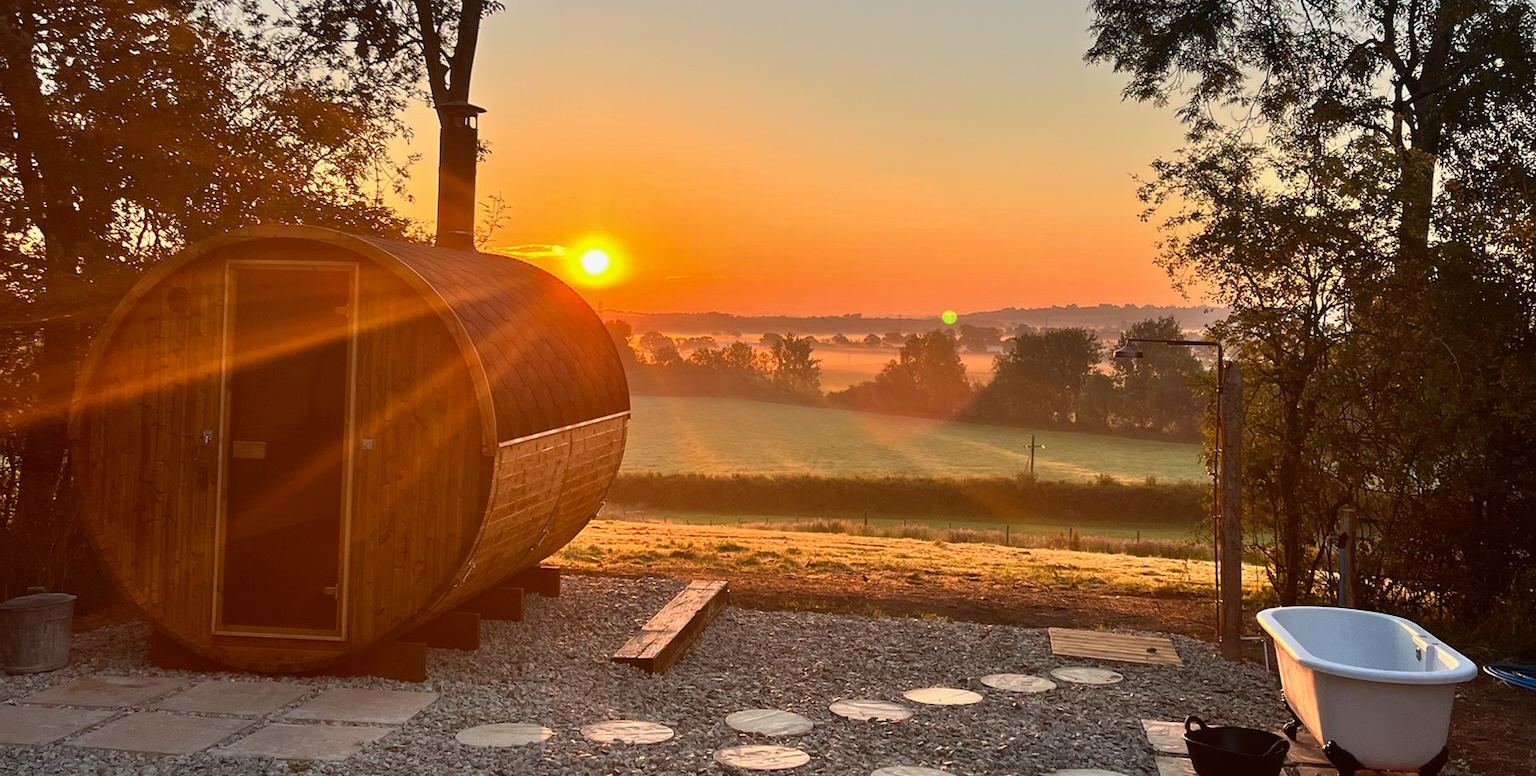
The first wave of UK wild saunas often came from repurposed horseboxes, trailers, and hand‑built timber huts. People wanted heat in the landscape—not in a gym, not in a spa, but in the places where they walked, swam, and gathered.
These early builds were rough, resourceful, and deeply personal. They set the tone for what the movement would become: community‑driven, nature‑immersed, and proudly handmade.
A post‑lockdown shift
After the pandemic, outdoor wellbeing surged. People sought connection, ritual, and nature. Wild sauna offered all three. Today, the UK has a fast‑growing network of lakeside and riverside saunas, from the Lake District to the Welsh mountains, from Scottish lochs to quiet river bends in the South West.
The state of wild sauna in Britain today
Wild sauna has become a recognisable movement with several distinct expressions:
Community saunas
Volunteer‑run, donation‑based, often built from reclaimed materials. These are the heart of the movement, places where strangers become companions.
Mobile saunas
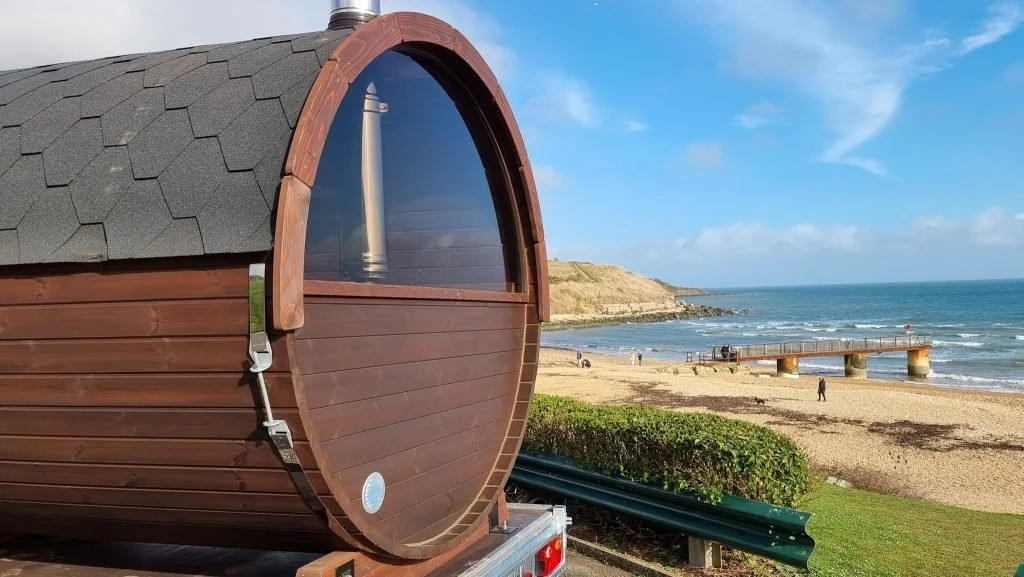
Horseboxes, trailers, and towable huts that travel between lakes, rivers, and festivals. They bring heat to new landscapes and new audiences.
Permanent lakeside builds
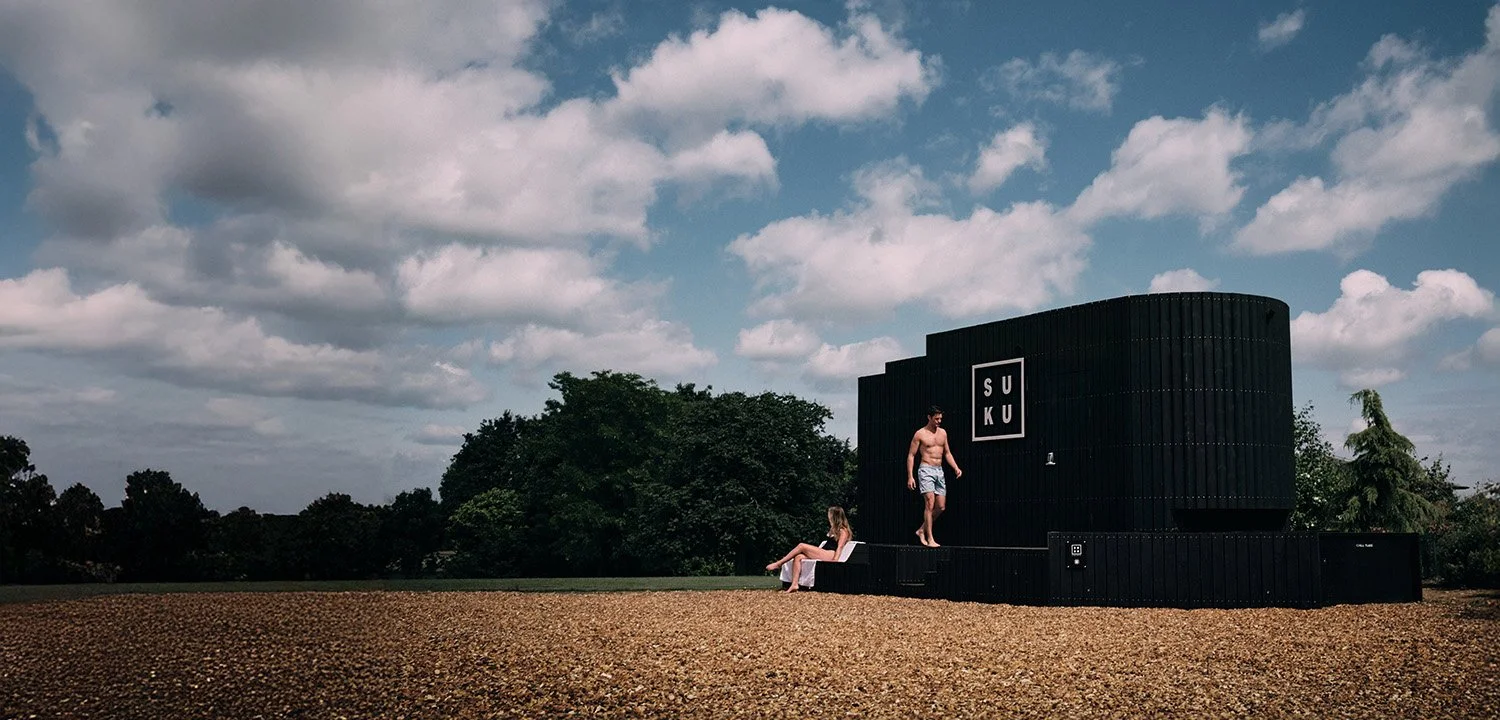
Purpose‑built structures with jetties, plunge points, and woodland paths. These offer a more curated experience while staying close to nature.
Retreat and wellbeing saunas
Higher‑end setups that combine sauna with breathwork, yoga, cold‑water therapy, and guided rituals.
Across all these models, the common thread is simple: heat, cold, rest, and community—held in the landscape.
What the science says about heat, cold, and freshwater immersion
Research into sauna and cold‑water immersion is expanding quickly. While findings are promising, anyone considering intense heat or cold exposure should consult a qualified healthcare professional, especially if they have cardiovascular, respiratory, or neurological conditions.
Potential benefits of sauna
Improved cardiovascular function
Reduced stress and improved mood
Enhanced recovery after exercise
Support for sleep quality
Possible reduction in inflammation markers
Potential benefits of cold‑water immersion
Increased alertness and mood elevation
Potential reduction in perceived stress
Possible support for immune function
Enhanced circulation through contrast therapy
Why the heat–cold–rest cycle matters
Alternating between sauna heat and cold-water immersion may amplify some physiological responses, including circulation, endorphin release, and stress adaptation. But it also increases strain on the body, which is why safety and gradual exposure are essential.
How to experience a wild sauna safely
Freshwater settings introduce specific considerations. Safety is not an optional extra—it’s the foundation of responsible practice.
Key safety principles
Know your limits. Heat and cold stress can be dangerous.
Never sauna or swim alone. Always have someone nearby.
Avoid alcohol. It increases risk in both heat and cold.
Enter cold water slowly. Sudden immersion can trigger cold shock.
Check water quality. Lakes and rivers can contain bacteria or algae.
Assess entry and exit points. Slippery jetties and uneven riverbeds are common hazards.
Be mindful of depth and currents. Rivers, especially, can change quickly.
Warm up fully after your session. Hypothermia risk persists even after leaving the water.
Permits and permissions
Lakeside and riverside saunas often require:
landowner permission
environmental considerations
fire safety planning
insurance
adherence to local authority guidelines
This is where professional operators and wellbeing organisations can provide structure, training, and oversight.
Designing a lakeside or riverside sauna experience
The design of a wild sauna shapes the experience as much as the heat itself.
Elements that define the atmosphere
Timber and natural materials that blend into woodland or lakeside settings
A wood‑burning stove for scent, sound, and ritual
A clear plunge point—jetty, steps, or riverbank
Soft lighting that respects the landscape
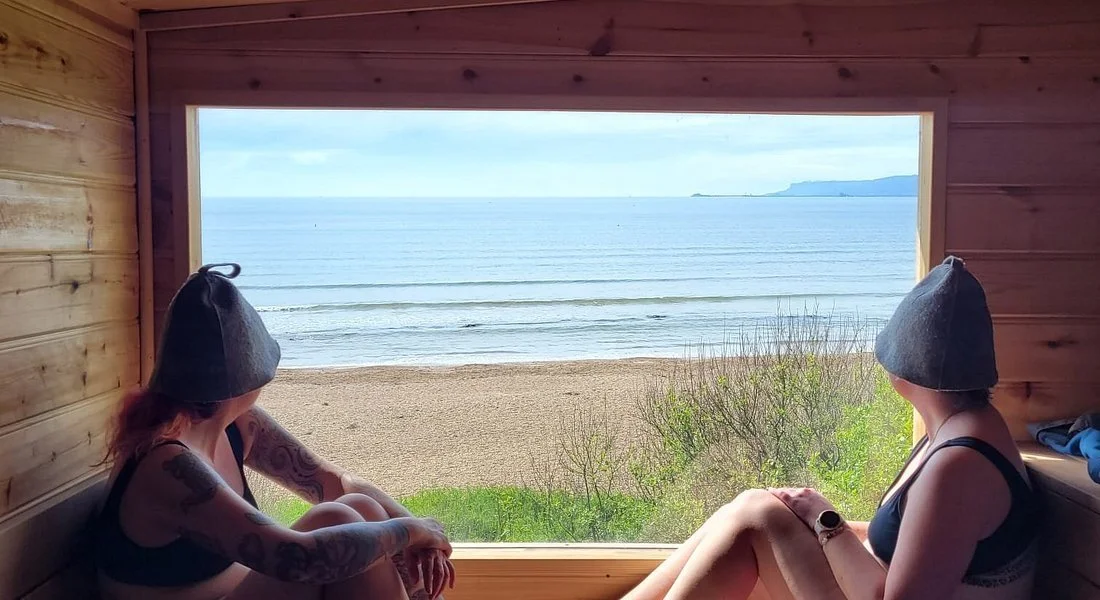
Ventilation and window placement to frame views of water and trees
Experience design
A well‑designed wild sauna session often includes:
a slow warm‑up
a mindful first plunge
a rest period outdoors
Repeated cycles of heat and cold,
quiet conversation or shared silence
This rhythm is what turns a sauna into a ritual.
How to try a wild sauna for the first time
A simple, safe structure for beginners:
Start with 8–12 minutes of gentle heat.
Cool down outside before entering the water.
Enter the lake or river slowly and stay within your comfort zone.
Rest, breathe, and warm up before repeating.
Stop immediately if you feel dizzy, disoriented, or unwell.
Always speak with a healthcare professional if you have any concerns about heat or cold exposure.
The deeper meaning of a wild sauna
Wild sauna is not just a trend. It’s a return to something older and more instinctive:
gathering around the heat
plunging into cold water
sharing silence
reconnecting with the landscape
marking time through ritual
In a world that moves quickly, wild sauna slows people down. It creates community in places where people often pass each other without speaking. It offers a way to feel the seasons, the weather, and the body’s own rhythms.
How Zen Den Wellbeing fits into this movement
Zen Den Wellbeing sits at the intersection of ritual, nature, and responsible practice. By documenting the movement, teaching safe methods, and designing experiences that honour both people and place, Zen Den can help shape the next chapter of wild sauna in Britain.
This flagship article becomes part of that stewardship your invite to explore, to learn, and to experience wild sauna with respect for the landscape and for one’s own body.